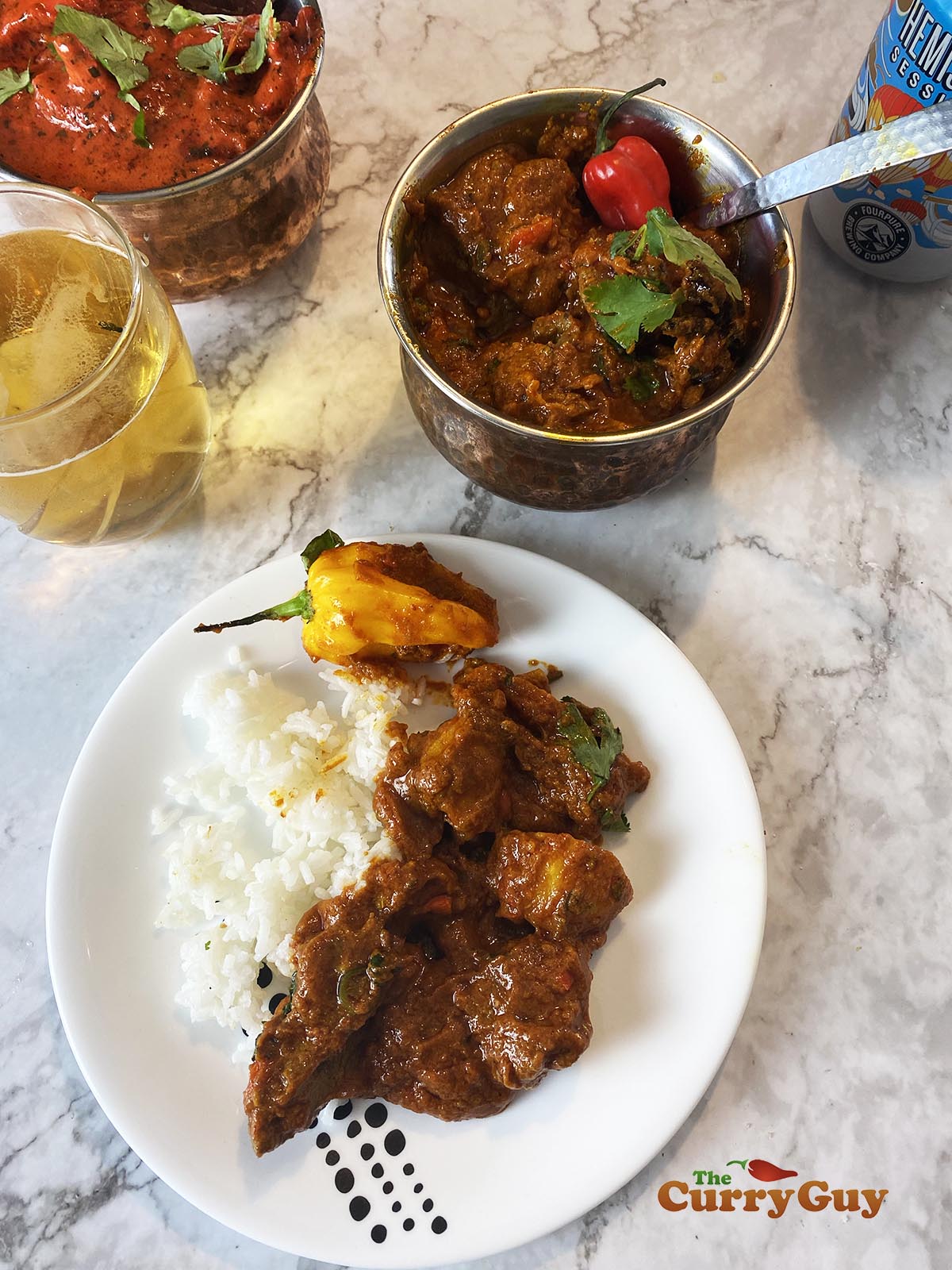
Recreate Fiery Restaurant Lamb Vindaloo at Home
The aroma alone is enough to transport you to your favorite Indian eatery, isn't it? That deep, complex fragrance of toasted spices, tangy vinegar, and slow-cooked lamb, all culminating in the iconic heat of a perfect vindaloo. For many, the idea of achieving that authentic, rich, and fiery flavor profile of lamb vindaloo Indian restaurant style at home seems like an insurmountable challenge. But what if we told you it's not only possible but incredibly rewarding? This comprehensive guide will demystify the process, breaking down the secrets to crafting a truly spectacular lamb vindaloo that rivals anything you’d find in a top-tier Indian restaurant.
Unraveling the Essence of Restaurant-Quality Lamb Vindaloo
What makes a restaurant vindaloo stand out? It's more than just heat; it's a masterful balance of acidity, sweetness, and a symphony of spices that dance on your palate. Originating from Goa, India, a region heavily influenced by Portuguese cuisine, traditional vindaloo (from "vinho d'alho" meaning wine vinegar and garlic) is a robust, highly flavorful curry. It’s distinctly different from many other Indian curries due to its pronounced tang from vinegar and its characteristic reddish hue, often achieved with specific chilies.
The key difference between a good homemade version and a truly restaurant-style vindaloo lies in several crucial steps: the quality and freshness of ingredients, the precise balance of spices, and the slow, patient cooking process. Many home cooks might shy away from the sheer number of spices or the time commitment, but understanding the purpose of each component is the first step to mastering this magnificent dish.
The Core Ingredients: Beyond Just Lamb and Chili
While lamb and chili are undeniably central, the true magic of a lamb vindaloo Indian restaurant style comes from a carefully selected ensemble of ingredients.
- The Lamb: Opt for a cut that can withstand slow cooking and benefits from it, such as lamb shoulder, leg, or even neck fillets, cut into 1.5-inch cubes. These cuts have enough fat and connective tissue to become incredibly tender and flavorful over time.
- The Vinegar: This is non-negotiable for authenticity. Traditionally, Goan coconut vinegar is used, providing a unique fruity tang. If unavailable, a good quality apple cider vinegar is an excellent substitute. Avoid distilled white vinegar, which can be too harsh.
- The Spices: This is where the complexity lies.
- Whole Spices: Cumin seeds, coriander seeds, black peppercorns, cloves, green cardamom pods, cinnamon stick, mustard seeds, and fenugreek seeds are commonly used. These are dry-roasted to release their aromatic oils.
- Dried Red Chilies: Kashmiri dried red chilies are preferred for their vibrant color and moderate heat. For extra fire, a few dried Guntur or Byadgi chilies can be added, but always with caution.
- Ground Spices: Turmeric powder, and often a touch more Kashmiri chili powder for color without excessive heat.
- Aromatics: Fresh ginger and garlic are pounded into a paste, forming the backbone of the flavor. Onions, finely chopped or puréed, provide sweetness and body to the gravy.
- Sweetener: A small amount of jaggery (Indian unrefined cane sugar) or brown sugar helps to balance the acidity of the vinegar and the heat of the chilies. This subtle sweetness is critical for that rounded restaurant flavor.
- Other Enhancers: Tomato paste (a small amount) can deepen the color and richness of the sauce.
Crafting the Perfect Vindaloo Paste: The Heart of the Flavor
The secret to a truly authentic lamb vindaloo Indian restaurant style lies in its freshly prepared spice paste. This isn't just a mix of powders; it's a vibrant, aromatic concoction made from scratch.
- Dry Roasting Whole Spices: In a dry pan over medium heat, gently toast your whole spices (cumin, coriander, peppercorns, cloves, cardamom, cinnamon, mustard, fenugreek). Stir constantly until fragrant, about 1-2 minutes. Be careful not to burn them.
- Soaking Dried Chilies: Deseed your dried red chilies (if you want to control heat) and soak them in warm water for about 20-30 minutes until softened. This makes them easier to grind and allows them to release their full flavor.
- Grinding the Paste: Combine the soaked chilies (drained), toasted whole spices, fresh ginger, fresh garlic, turmeric powder, and the vinegar in a blender or food processor. Add a splash of water if needed, but aim for a thick, smooth paste. The vinegar helps preserve the vibrant flavors and gives the vindaloo its characteristic tang.
This fresh paste is miles apart from using pre-ground spices alone, providing a depth and vibrancy that store-bought pastes often lack. For more in-depth guidance on this crucial step and overall technique, you might find Mastering Indian Restaurant Style Lamb Vindaloo an invaluable resource.
The Cooking Process: Slow Simmering for Deep Flavors
Patience is paramount when cooking a restaurant-quality vindaloo. The flavors need time to meld and deepen, and the lamb requires slow cooking to become fall-apart tender.
- Marination is Key: Once your vindaloo paste is ready, generously coat your lamb cubes with it. Ideally, marinate the lamb in the refrigerator for at least 4 hours, or even better, overnight. This allows the spices and vinegar to penetrate the meat, infusing it with flavor and helping to tenderize it.
- Building the Base: In a heavy-bottomed pot or Dutch oven, heat oil (preferably a neutral oil or ghee). Add finely chopped or puréed onions and sauté until deeply golden brown. This step contributes significantly to the sweetness and depth of the curry.
- Browning the Lamb: Add the marinated lamb to the pot. Sear it over medium-high heat until nicely browned on all sides. This locks in juices and adds another layer of flavor.
- Developing the Masala: Stir in any remaining vindaloo paste, cooking for a few minutes until fragrant. Add tomato paste if using, cooking for another minute until it darkens slightly. This is the crucial "bhunao" stage where the spices cook down and release their oils.
- Slow Simmering: Pour in enough hot water or lamb stock to just cover the lamb. Bring to a simmer, then reduce the heat to low, cover, and cook for 1.5 to 2.5 hours, or until the lamb is fork-tender. Check periodically, stirring and adding more liquid if the curry becomes too dry.
- Finishing Touches: Once the lamb is tender, remove the lid and increase the heat slightly. Allow the sauce to thicken to your desired consistency – a good vindaloo gravy should be relatively thick and cling to the meat. Taste and adjust seasonings: add salt, a touch more jaggery for sweetness, or a splash more vinegar for tanginess if needed.
Achieving Restaurant-Style Texture and Finish
A sign of a truly authentic lamb vindaloo Indian restaurant style is its rich, glossy texture and distinct "oil separation" (bhunao) where the spiced oil rises to the surface. This indicates that the spices have been thoroughly cooked and are bursting with flavor. The gravy should be thick enough to coat the back of a spoon, not watery. Garnishing with fresh coriander leaves adds a burst of freshness and visual appeal.
Serve your homemade lamb vindaloo hot with fluffy basmati rice, warm naan bread, or a cooling raita to balance the heat. For deeper insights into the subtle techniques employed by culinary masters, exploring resources like Secrets to Authentic Lamb Vindaloo from Top Indian Chefs can further elevate your cooking.
Troubleshooting and Tips for Success
- Too Spicy? If you find the vindaloo overwhelmingly hot, a spoonful of plain yogurt or a touch more jaggery can help temper the heat. (Though traditional vindaloo is not made with yogurt or coconut milk, these can be quick fixes for an overly fiery dish.)
- Lamb Not Tender? Don't rush it. Lamb vindaloo benefits from slow cooking. If your lamb isn't falling apart, it simply needs more time on the stove.
- Flavor Lacking? Ensure you didn't skimp on dry roasting spices or the "bhunao" process. Sometimes, a pinch more salt or a final splash of vinegar can awaken the flavors.
- Make Ahead: Like many curries, vindaloo often tastes even better the next day once the flavors have had more time to meld and develop. It’s an excellent dish for meal prepping!
- Adjusting Spice Level: For less heat, reduce the number of hotter red chilies and stick primarily to Kashmiri chilies. For more heat, add a few bird's eye chilies or a pinch of cayenne pepper during cooking.
Recreating the fiery, complex flavors of a lamb vindaloo Indian restaurant style at home is an immensely satisfying culinary journey. By focusing on fresh ingredients, patiently crafting your spice paste, and allowing the dish to slow-cook to perfection, you’ll unlock a depth of flavor that will impress even the most discerning palate. So gather your spices, hone your patience, and prepare to embark on a delicious adventure that brings the heart of Indian cuisine right to your dining table.
